Understanding what runs your electric bill up the most is essential if you’re trying to save money and energy. Appliances and devices vary in energy consumption, and some can make a significant impact on your monthly costs. Identifying appliances with high energy consumption is the first step to managing and reducing your electric bill. In this article, we’ll explore which appliances are the biggest culprits and how you can lower your energy usage.
The Top Appliances With High Energy Consumption
Certain appliances in your home consume more energy than others, leading to higher electric bills. Here’s a breakdown of some of the top energy guzzlers.
1. Heating and Cooling Systems (HVAC)
Heating and cooling systems are often the largest contributors to energy consumption. Heating and air conditioning account for about 46% of energy use in the average U.S. home, according to the U.S. Department of Energy. The reason is simple: these systems run for hours and must maintain comfortable indoor temperatures, especially during extreme weather conditions.
2. Water Heaters
Water heaters are another significant energy consumer. They operate constantly, keeping water hot for bathing, washing dishes, and laundry. On average, water heating accounts for 18% of your electric bill, making it one of the most energy-intensive appliances in a home.
3. Refrigerators
Because refrigerators run 24/7 to keep your food fresh, they are a constant energy draw. According to Energy Star, the average refrigerator consumes between 600 and 800 kWh per year, which can add up, especially if you’re using an older, inefficient model.
4. Laundry Machines
Washing machines and dryers are also major culprits when it comes to high energy consumption. A single load of laundry can use a substantial amount of energy, with dryers consuming around 4,000 watts per hour. This makes laundry one of the leading sources of energy consumption in many households.
5. Lighting
Although individual lightbulbs don’t use much electricity, the combined effect of multiple lights left on throughout the home can add up quickly. Older incandescent bulbs are particularly inefficient, with only 10% of the energy they consume being used to produce light, while the rest is lost as heat.
How to Identify and Manage Appliances With High Energy Consumption
Understanding which appliances consume the most electricity allows you to make informed decisions. Here are some ways to measure and manage your energy usage:
1. Use Smart Meters
Smart meters provide real-time data on your household’s energy consumption, breaking it down by time of day and showing spikes when high-energy appliances are in use. Many utility companies offer smart meters, which can help you monitor and reduce your energy use.
2. Energy-Efficient Appliances
Switching to appliances with high energy consumption but a more efficient rating can help reduce overall usage. Look for appliances that are Energy Star certified. These appliances use less electricity and can significantly lower your electric bill. For example, an energy-efficient refrigerator can use 15% less energy than a standard model.
3. Monitor Your Daily Habits
Sometimes, it’s not the appliance but how you use it that runs up your electric bill. Here are some common mistakes:
- Overloading the dryer: This makes the machine work harder and uses more electricity.
- Leaving lights on unnecessarily: Switch to energy-efficient LED bulbs and turn off lights when not in use.
- Using hot water for laundry: Most of the energy used by washing machines goes to heating the water. By switching to cold water, you can save energy.
Real Data on Energy Usage by Appliance
Below is a table showing the average annual energy consumption of typical household appliances, giving you a clearer idea of where most of your electricity is going.

This table shows how heating and cooling systems dominate energy usage, but other common appliances, like refrigerators and laundry machines, also contribute significantly to the overall consumption.
Reducing High Energy Costs: What Can You Do?
1. Consider Solar Energy
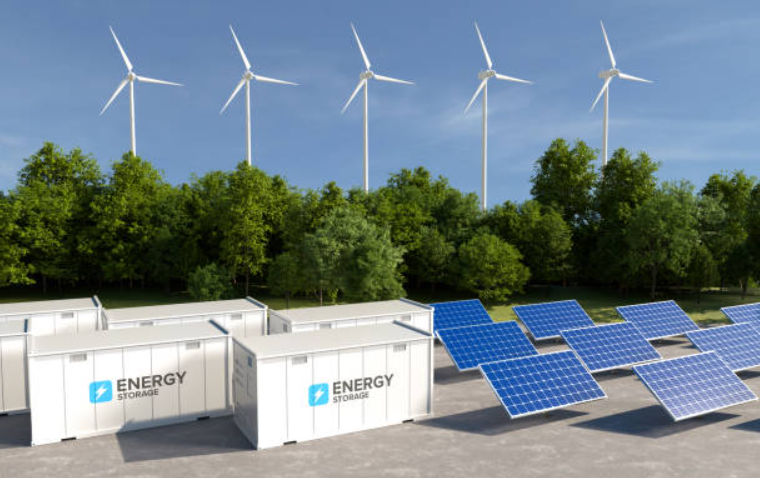
Switching to solar energy is an excellent long-term strategy to reduce electricity costs. By installing solar panels, you can generate your own electricity and even sell excess power back to the grid. Companies like SolarBuyback.com offer programs that allow homeowners to earn money by selling back unused energy, potentially eliminating or significantly reducing your electricity bill.
2. Switch to Energy-Efficient Models
As mentioned earlier, switching to energy-efficient appliances with high energy consumption can make a big difference. Look for the Energy Star label when replacing old appliances to ensure they meet high standards for energy efficiency.
3. Install a Smart Thermostat
Heating and cooling costs can be dramatically reduced by installing a smart thermostat, which allows you to program temperature settings based on your schedule. Studies show that a smart thermostat can reduce heating and cooling costs by as much as 10-12%.
Expert Advice on Reducing Energy Consumption
Energy expert John Rodriguez, with over 300k followers on Twitter, suggests,
“Reducing your electricity bill doesn’t have to mean huge sacrifices. Simply switching to energy-efficient appliances and installing solar panels can make a massive difference in your household’s energy consumption. SolarBuyback.com is a great resource for those looking to invest in renewable energy and save money over time.”
Conclusion
Knowing which appliances are responsible for the bulk of your electric bill can empower you to make smarter energy-saving decisions. Appliances with high energy consumption, such as HVAC systems, water heaters, refrigerators, and dryers, can be optimized or replaced with energy-efficient alternatives to lower your overall costs. Additionally, using tools like smart meters and switching to solar energy with companies like SolarBuyback.com can reduce energy consumption and save you money in the long run.
If you’re ready to reduce your electric bill and explore solar energy options, visit SolarBuyback.com for more information.